


Product description
An underlayment or separator is a common application of geotextile fabric in construction and landscaping. With a weight of 140gsm, this fabric is widely used beneath gravel or other aggregate materials. Its versatile nature makes it an ideal choice for various projects.
The most popular material combination for geotextiles in engineering projects is typically a blend of polypropylene and polyester. Each material offers its own unique set of advantages. Specifically, the Polypropylene Staple Fiber Geotextile 140g is highly favored in these projects due to its outstanding performance.
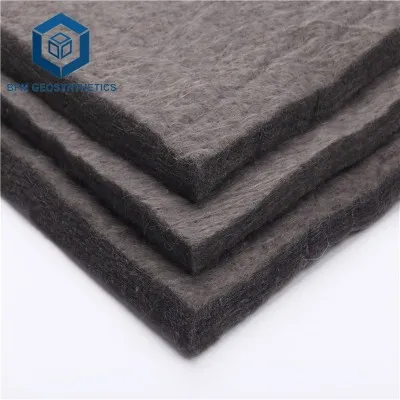
The Geotech Fabric Under Gravel is a versatile and flexible material that resembles felt and has a distinctive network of fibers with pores. Its unique characteristics make it ideal for various applications such as filtration, drainage, separation, and protection. With a weight of 140gsm, this geotextile fabric offers excellent performance and reliability in different environmental conditions. Whether used in construction sites, landscaping projects, or agricultural applications, it provides effective filtration, prevents soil erosion, and ensures proper drainage. Its felt-like texture and flexibility make it easy to handle and install, allowing for seamless integration into various projects. Trust the Geotech Fabric Under Gravel with its superb qualities to enhance the durability and efficiency of your next project.

application

140gsm geotextile fabric is commonly used under gravel in various applications. This fabric provides excellent separation and filtration properties, making it ideal for use in areas where gravel is present. Some specific applications include:
1. Driveways: Using geotextile fabric beneath gravel driveways helps to prevent the mixing of different layers, thereby maintaining structural integrity and stability. It acts as a barrier, preventing the migration of fines and soil particles from the base into the gravel layer.
2. Pathways and Walkways: Geotextile fabric underneath gravel pathways and walkways prevents the development of ruts and potholes. It effectively separates the gravel layer from the underlying soil, ensuring that the gravel remains compact and level.
3. Parking Areas: Geotextile fabric is commonly used in parking areas, especially those with heavy traffic loads. It provides stabilization to the gravel layer, preventing the formation of tire ruts and maintaining a durable surface.
4. Landscaping and Gardens: When gravel is used in landscaping or garden areas, geotextile fabric can be installed beneath it to prevent weed growth and soil contamination. It allows water to drain through while keeping the soil separate from the gravel layer.
5. French Drains: Geotextile fabric is essential in French drain systems. Placed under gravel in trenches, it prevents soil particles from clogging the drain while still allowing water to pass through. This helps in efficient water drainage and prevents the system from getting blocked.
In all these applications, the use of 140gsm geotextile fabric provides the necessary strength, durability, and separation properties required to enhance the performance and longevity of the gravel layer.
Driveways and parking areas:If you're looking to increase the strength and stability of your driveway or parking area, consider installing a geotextile fabric. This material can be placed underneath a layer of gravel to prevent ruts from forming and keep the surface level and sturdy. This added layer of reinforcement can also help distribute weight more evenly, improving the load-bearing capacity of the space. With geotextile fabric in place, you can enjoy a smoother, more reliable surface that can withstand heavy use over time.
Pathways and walkways:To prevent soil movement and create a barrier between gravel or decorative stone pathways and walkways, it is frequently utilized as a foundational layer. This layer assists in separating the materials and reducing any shifting.

Landscaping projects:
In landscaping projects, geotextile fabric finds great application in enhancing drainage and preventing soil migration. Whether it's for constructing retaining walls, garden beds, or even decorative gravel areas, this versatile material delivers remarkable results. By repositioning the original content while preserving the information, the following content is generated.
For optimal effectiveness of a 140gsm geotextile fabric placed beneath gravel, it is critical to adhere to the installation guidelines provided by the manufacturer. These guidelines typically involve making sure that fabric seams overlap sufficiently, securing or anchoring the fabric in place appropriately, and ensuring that the gravel layer above is compacted properly. Failing to follow these guidelines could lead to a less effective outcome or even damage to the geotextile fabric itself.
To make sure that the geotextile fabric you select and install is appropriate for your project requirements, it is advisable to seek the advice of a civil engineering or landscape design professional. They can provide guidance on the proper selection and installation of geotextile fabric based on the project's specific needs.
BPM Factory


BPM has four production lines, maximum width of 6m, length that can be customized. BPM can produce nonwoven needle punched short fiber and filament continuous geotextile, It has polypropylene and polyester material. They're exported all over the world.
How to install the 140gsm Geotextile Fabric Geotech Fabric Under Gravel

1. Prepare the Surface: Start by preparing the surface where the fabric will be installed. Remove any vegetation, rocks, or debris to ensure a clean and level surface. If necessary, compact the soil to create a stable foundation.
2. Measure and Cut: Measure the area where the geotextile fabric will be installed and cut the fabric to the appropriate size. Ensure that you have enough fabric to cover the entire area with sufficient overlap at the seams (generally 12 inches or as recommended by the manufacturer).
3. Lay the Fabric: Unroll the geotextile fabric over the prepared surface, starting from one end of the area. Smooth out any wrinkles or folds to ensure proper coverage. If necessary, use landscape staples or pins to temporarily secure the fabric and prevent it from shifting during installation.
4. Overlap Seams: If multiple rolls of fabric are required, overlap the seams by at least 12 inches (or as recommended by the manufacturer). This overlap helps ensure continuous coverage and prevents soil or gravel from seeping through the gaps between the fabric pieces.
5. Secure the Fabric: Once the fabric is laid out, anchor it to the ground using landscape staples or pins. Place the staples at regular intervals along the edges and throughout the fabric to secure them in place. This prevents the fabric from shifting during gravel placement and subsequent use.
6. Add Gravel: After the fabric is securely in place, add the desired layer of gravel or aggregate on top. Ensure that the gravel is evenly spread and compacted to the desired thickness. The geotextile fabric will help distribute the load and prevent the gravel from mixing with the underlying soil.
7. Finish and Inspect: Once the gravel layer is in place, inspect the area for any visible signs of fabric exposure or damage. Ensure that the fabric is fully covered by the gravel and that there are no gaps or areas where the fabric is visible.
contact information

Phone: +86 18263827229

Envelope: elena@hdpetgm.com

Address: Mingtang Road No.59, Taishan Technology and Culture Industrial Park, Taishan District, Shandong, China. 27100

Whatsapp: +86 18263827229

Elena

Elena

Geomembrane
Geotextile

Geogrid
Hot Tags: 140gsm geotextile fabric geotech fabric under gravel, China 140gsm geotextile fabric geotech fabric under gravel manufactures, suppliers, factory


