


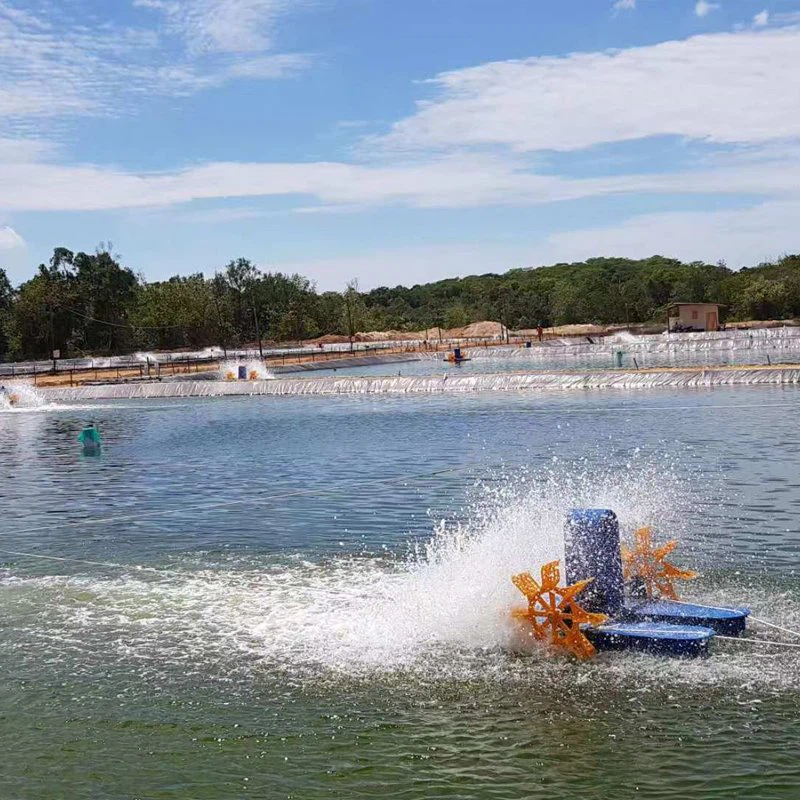

Products Description
BPM aquaculture pond linersPolyethylene, a flexible polymer material, is commonly used for its low permeability and strong extensibility. It is capable of withstanding degradation and offers excellent resistance to corrosion, low temperatures, and environmental harm. In contrast, cement, while effective in preventing seepage, lacks the flexibility of polyethylene and can inhibit the natural behavior of fish. Bottom-dwelling fish, in particular, may find it difficult to dig holes, ultimately jeopardizing their survival.

Products Advantage
HDPE Geomembrane Liner, also known as fish farm pond linerThe use of HDPE geomembrane has gained popularity as a means of preventing seepage in fish ponds. Its smooth surface serves as an effective barrier, particularly during the rainy season when fish tend to escape. Fish species such as lobster, crab, turtle, loach, and eel, known for their exceptional skills in escaping, can be contained with ease. This makes HDPE geomembrane an excellent choice for fish farmers who want to avoid losses associated with fish escaping from the pond.
Comparing with soil pond and concrete, HDPE Geomembrane Liner is more suitable as plastic liner in ponds。


There are many advantages to using HDPE geomembrane as a liner for aquaculture ponds. These liners are made from a type of plastic that is very strong and durable, so they can withstand the harsh conditions of an aquaculture pond with ease.
One of the main advantages of HDPE geomembrane is that it is extremely resistant to punctures and tears. This means that it is less likely to suffer damage from sharp objects or other hazards in the pond environment. This durability also means that the liner will last for many years, which can save you money in the long run.
Another advantage of using HDPE geomembrane as a pond liner is that it is very flexible. This flexibility allows the liner to conform to the contours of the pond bottom, ensuring a snug fit that will prevent debris and water from seeping through any gaps.
HDPE geomembrane is also an environmentally friendly choice for pond liners. It is made from a type of plastic that is recyclable, so it can be reused or repurposed when it is no longer needed as a pond liner.
Overall, HDPE geomembrane is an excellent choice for aquaculture pond liners. With its strength, durability, flexibility, and environmental friendliness, it is the ideal material for protecting your pond and ensuring the health and safety of your fish and aquatic life.
1. Water storage
HDPE geomembrane aquaculture pond liners With its low permeability and excellent water storage performance, this feature offers numerous advantages. It acts as a barrier, preventing water from infiltrating the surrounding soil and effectively monitoring the water levels in fish ponds. By conserving water, it contributes to cost savings while also safeguarding against the infiltration of harmful substances into the pond. Moreover, it plays a crucial role in minimizing water pollution and creating a conducive environment for the healthy growth of fish.
2, keep the water quality stable
The HDPE geomembrane Maintaining water quality balance and ensuring quality conditions is imperative for optimal upkeep. There are several effective ways to achieve this objective. One of the foremost measures is regular monitoring and testing of water quality parameters like pH, turbidity, temperature, dissolved oxygen levels, and nutrient levels. This helps to detect any changes in water chemistry that could indicate the presence of contaminants or other issues that require attention.
Another essential aspect is proper filtration and treatment of water before it gets discharged from its source. This involves using advanced filtration and disinfection equipment to remove pollutants, harmful microorganisms, and other impurities that could adversely affect water quality. Additionally, it's essential to promote best management practices for industrial, agricultural, and domestic activities that can potentially impact water quality.
Finally, regular maintenance of water treatment equipment and infrastructure is critical to ensure that it functions optimally and efficiently. This includes regular cleaning, routine inspections, and prompt repairs of any faulty equipment or systems. By adopting these measures, you can effectively maintain water quality balance and ensure that it meets the required standards for safe consumption and environmental sustainability.
3. Monitor oxygen content
The application of HDPE geomembrane in aquaculture brings about several benefits. Firstly, it effectively minimizes oxygen loss by preventing infiltration into the soil. This is crucial as maintaining optimal oxygen levels in the water is vital for the health of aquatic organisms. Secondly, the use of HDPE geomembrane enables easy monitoring of oxygen content in the water, allowing aquaculturists to promptly identify any fluctuations or deficiencies. This facilitates timely interventions and ensures a favorable environment for the fish. Lastly, by reducing the need for oxygen replenishment in fish ponds, the use of HDPE geomembrane significantly cuts down on associated costs, making it a financially advantageous choice for aquaculture operations.
4. Reduce maintenance costs
In aquaculture, HDPE geomembranes have proven to be highly effective in preventing algae growth in water. The inclusion of anti-UV additives in the geomembrane further enhances its ability to inhibit algae growth. As a result, geomembranes provide excellent UV protection, making them resistant to the harmful effects of ultraviolet radiation.
5. Increase production
The use of HDPE geomembrane on fish ponds can improve their stability, as it effectively protects against natural elements such as rain, wind and waves. This allows the pond to become deeper and have steeper slopes, which in turn can boost fish production. By eliminating potential harm factors, the presence of HDPE geomembrane can positively impact the overall health and success of the aquatic environment.
6. Reduce infectious diseases
The utilization of HDPE geomembrane in fish ponds plays a crucial role in maintaining the favorable environment for fish and shrimp growth. By creating a barrier between the soil and water, it effectively minimizes the chances of diseases spreading within the ponds. This has a positive impact on the overall health of aquatic life and significantly reduces the need for costly medications in fish farming. As a result, fish and shrimp can thrive in a disease-free environment, ensuring their optimal development and minimizing expenses in terms of disease treatment.
8, easy to clean the pond
With the use of HDPE geomembrane, the maintenance of ponds can be made much simpler, resulting in a more efficient and convenient cleaning process. The installation of clean drainage systems in ponds can also be made easier and quicker with the use of this technology. So, if you want to ensure a hassle-free and low-maintenance pond, then the use of HDPE geomembrane is the perfect solution.
9. Speed up the breeding cycle
HDPE geomembrane makes it easier to capture and clean, thus saving a lot of cost and time, speeding up the aquaculture cycle and increasing production.

Why choose BPM as your partner
1. Brand Strategy:
We persist on the BPM brand influence, quality speaks for the brand.
International Big customers endorse for our brand. .
BPM deeply know among all of aquaculture pond equipment,pond liners account for the biggest investment.
The bad quality geomembrane pond liners are liable to crack within one year,which is no doubt to be a fatal hit for the farm.
BPM only supply high quality geomembranes pond liners conform to ASTM GRI RM13 standard.Welcome to supervise production.

2. One-Stop Aquaculture Equipments Service:
Besides the geomembranes pond liner, we have cooperated for many years in the supply chain of fish pond breeding equipment. Such as air blower, aerator, welding machine and welding services and other products.

3. After-sales service
BPM supply geomembrane installation and welding machines.
BPM also supply professional geomembrane installation service.


Contact BPM Service Team

phone: +86-15064178771

envelope: bpmgeolining@gmail.com

address: Mingtang Road No.59,Taishan Technology and Culture Industrial Park,Taishan District,Shandong,China.27100

whatsapp: 0086-15064178771

|
Properties |
Test Method |
Test Value |
|||||||||
|
|
|
0.5 mm |
0.75mm |
1.00 mm |
1.25 mm |
1.50 mm |
2.00 mm |
2.50 mm |
3.00 mm |
||
|
Maximum Deviation of thickness |
|
-15% |
-15% |
-15% |
-15% |
-15% |
-15% |
-15% |
-15% |
||
|
Density (min. ave.) |
D 1505/D792 |
0.940 g/cc |
0.940 g/cc
|
0.940 g/cc |
0.940 g/cc |
0.940 g/cc |
0.940 g/cc |
0.940 g/cc |
0.940 g/cc |
||
|
Tensile Properties(min.ave) |
Yield strength
Break strength |
D6693 |
8N/mm |
11 N/mm |
15 N/mm |
18 N/mm |
22 N/mm |
29 N/mm |
37 N/mm |
44 N/mm |
|
|
|
|
|
14N/mm |
20N/mm
|
27 N/mm |
33 N/mm |
40 N/mm |
53N/mm |
67 N/mm |
80 N/mm |
|
|
Yield elongation |
|
12% |
12% |
12% |
12% |
12% |
12% |
12% |
12% |
||
|
Break elongation |
|
700% |
700% |
700% |
700% |
700% |
700% |
700% |
700% |
||
|
Tear Resistance (min. ave.) |
D 1004 |
63 N |
93 N |
125 N |
156 N |
187 N |
249 N |
311 N |
374 N |
||
|
Puncture Resistance (min. ave.) |
D 4833 |
160N |
240N |
320 N |
400 N |
480 N |
640 N |
800 N |
960 N |
||
|
Carbon Black Content (range) |
D 4218 |
2.0-3.0 % |
2.0-3.0 % |
2.0-3.0 % |
2.0-3.0 % |
2.0-3.0 % |
2.0-3.0 % |
2.0-3.0 % |
2.0-3.0 % |
||
|
Oxidative Induction Time (OIT) (min.ave.) Standard OIT |
D 3895 |
100 min. |
100 min. |
100 min. |
100 min. |
100 min. |
100 min. |
100 min. |
100 min. |
||
|
Oven Aging at 85°C Standard OIT (min. ave.) - % retained after 90 days |
D 5721 D 3895 |
55% |
55% |
55% |
55% |
55% |
55% |
55% |
55% |
||
|
UV Resistance High Pressure OIT (min. ave.) - % retained after 1600 hrs |
D 3895 D 5885 |
50% |
50% |
50% |
50% |
50% |
50% |
50% |
50% |
||
Hot Tags: aquaculture pond liners, China aquaculture pond liners manufactures, suppliers, factory


